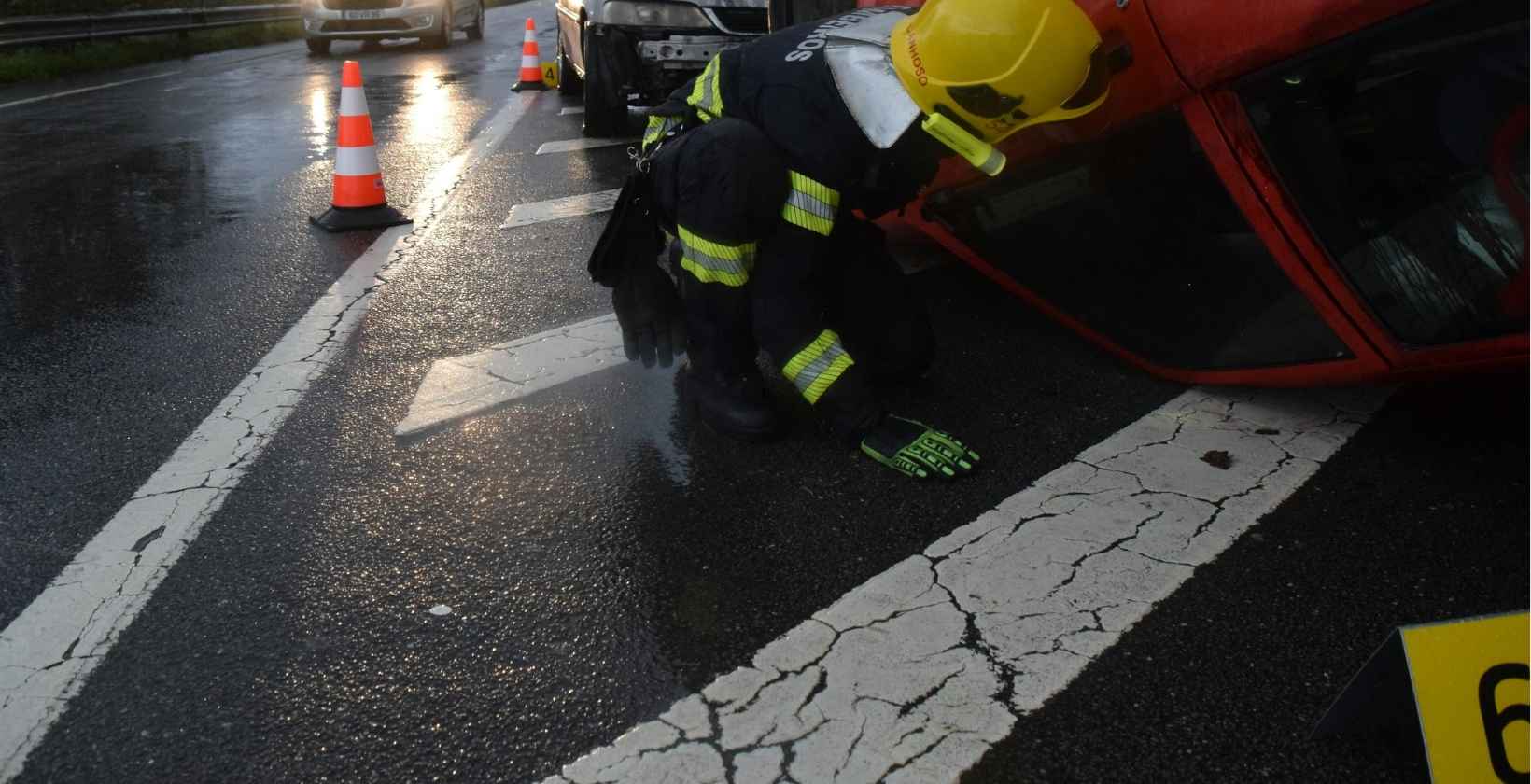
Daviess County, IN (June 18, 2026) – A side-by-side rollover on County Road 450 South in Daviess County left one person dead and the driver facing charges of operating a vehicle while intoxicated, causing death, according to the Daviess County Sheriff’s Office.
The passenger, Israel Waggoner, 28, of Washington, was pronounced dead at the scene. The driver, Miranda Knepp, 31, also of Washington, told deputies she had swerved to miss an oncoming vehicle, causing her to lose control. The side-by-side rolled onto its passenger side and slid several yards off the roadway. The sheriff’s office said neither occupant was wearing a seatbelt at the time of the crash.
After submitting a chemical test, Knepp was taken into custody. She is charged with one count of operating a vehicle while intoxicated (OVWI) causing death.
A family that loses someone to a crash caused by an intoxicated driver is left with questions that the criminal case alone cannot fully answer. Indiana law gives surviving family members a separate legal path to pursue accountability and compensation.
What You Should Know About OVWI Wrongful Death Claims in Indiana
A criminal OVWI prosecution and a civil wrongful death claim are separate proceedings. A family does not have to wait for a conviction, or even an arraignment, before consulting an attorney or filing a civil claim. The civil standard of proof is lower than the criminal standard, and the two cases proceed on independent timelines.
What a wrongful death claim can cover under Indiana law:
- Funeral and burial expenses
- Medical costs incurred before death
- Loss of the deceased’s earnings and financial contribution to the family
What a family can recover depends on the specific circumstances of the case. An attorney can assess which damages apply based on who survives and what the evidence shows.
Does the seatbelt issue affect the family’s case?
Indiana law limits how much fault can be attributed to seatbelt non-use. The defense can raise it, but it can only reduce the family’s recovery by a limited amount; it does not bar the claim. Under Indiana’s modified comparative fault standard (IC 34-51-2-6), a surviving family may pursue compensation provided the deceased’s share of fault does not exceed 50 percent of the total.
What is the filing deadline?
Indiana’s wrongful death statute requires claims to be filed within two years of the date of death (IC 34-23-1-1). That clock runs from the date of death, not from any point in the criminal case. Waiting for criminal proceedings to conclude before contacting an attorney risks leaving too little time to build a civil case properly.
Contact Our Indiana Wrongful Death Attorneys
The civil filing deadline does not pause while OVWI charges move through criminal court. A family that delays consulting an attorney until after sentencing may find that the evidence needed to support a civil claim has become harder to reconstruct.
Our Indiana wrongful death attorneys have represented families across the state for over 46 years, including cases involving intoxicated drivers where criminal and civil proceedings were running at the same time. Chemical test results, crash reconstruction findings, and witness accounts are most useful to a civil case when preserved early, before the criminal process reshapes how evidence is presented.
There is no cost to speak with us. There is no fee of any kind unless we recover compensation for you. Why Indiana families have trusted Langer & Langer since 1980:
- 46+ years protecting Indiana families
- 4.8 rating across 150+ verified reviews
- Two-Time Trial Lawyer of the Year (ITLA)
- Available 24/7
- No recovery, no fee
Call 219-245-5881 for a free consultation.