Crashes involving icy roads, multiple vehicles, and minor drivers are rarely straightforward. Insurance carriers often attempt to shift responsibility to weather conditions or shared fault to minimize payouts. When teenagers are involved, additional layers of liability arise, including parental responsibility, insurance coverage limits, and how Indiana’s fault laws allocate damages among multiple parties.
The Accident Brief
- Date & Time: January 15, at approximately 7:11 a.m.
- Location: East County Road 800 South near the Walnut Ridge Road intersection, Tippecanoe County, Indiana
- Vehicles Involved: A 2005 Toyota Tacoma pickup truck and a Jeep Wrangler
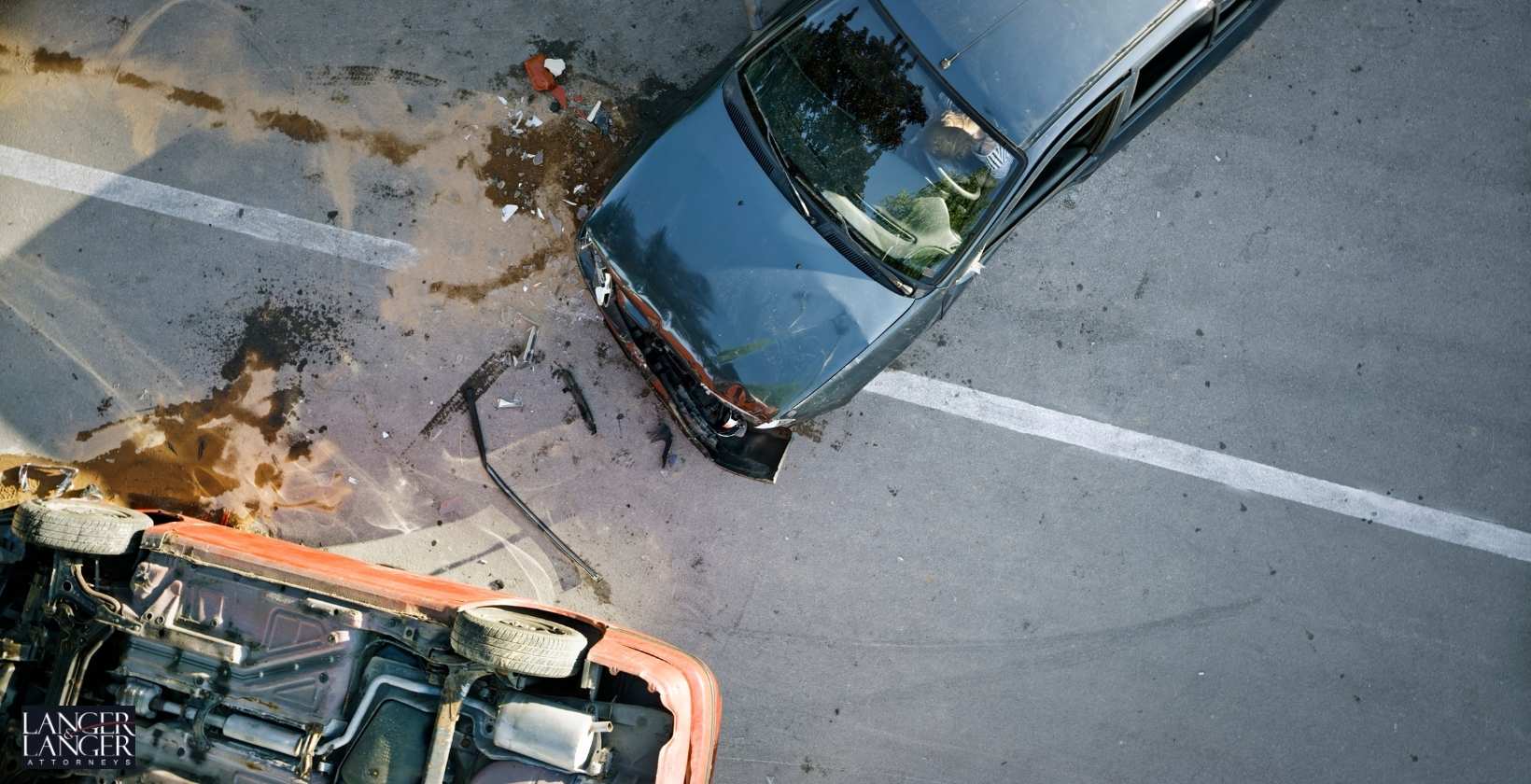
- Summary of Events: According to the Tippecanoe County Sheriff’s Office, the Toyota Tacoma was traveling westbound when it allegedly lost control on an icy roadway and entered the path of the eastbound Jeep Wrangler, resulting in a collision
- Reported Conditions: Icy roadway; police report seatbelts were in use and no drugs or alcohol are suspected
Legal Analysis
From a legal perspective, this incident raises several critical questions about negligence, duty of care, and shared liability:
- Loss of Control on Icy Roads: While ice is a natural condition, Indiana law still requires drivers to operate vehicles at a speed reasonable for road conditions. A driver’s failure to adjust speed or maintain control can constitute negligence, even when weather is a contributing factor.
- Comparative Fault in Indiana: Under Indiana Code § 34-51-2-6, Indiana follows a modified comparative fault system. An injured party may recover damages as long as they are not more than 50% at fault. In multi-vehicle crashes, insurers often argue that fault should be divided among drivers to reduce overall exposure.
- Minor Drivers and Insurance Coverage: When drivers are under 18, claims typically involve their parents’ auto insurance policies. These policies may have limited bodily injury coverage, which can be insufficient in serious injury cases. Identifying all applicable policies and potential third-party liability is essential.
- Right-of-Way and Vehicle Positioning: Determining lane position, point of impact, and reaction time is crucial. Accident reconstruction and vehicle data may clarify whether evasive actions were possible or whether one driver’s conduct created an unavoidable hazard.
Immediate Action Steps
Families facing similar situations should act quickly to protect their legal rights:
- Preserve vehicle data, including event data recorder (“black box”) information.
- Secure photographs of vehicle damage and roadway conditions before evidence disappears.
- Obtain witness names and statements while memories are fresh.
- Avoid providing recorded statements to insurance companies without legal counsel.
An experienced attorney can issue spoliation letters to prevent insurers or vehicle owners from destroying critical evidence that may determine liability.
Contact Our Indiana Lawyer
If your family has been affected by a similar collision involving serious injuries, time matters. Speaking with our wrongful death lawyer in Indiana can help clarify your options, protect evidence, and pursue full compensation under Indiana law. Langer & Langer proudly represents families across Indiana. Call 219-245-5881 for a free, confidential consultation.